
- HOMEGROWN WORLD
- HGCREATORS
- HGEXPLORE
- HGVOICES
- HGSHOP
- CAREERS
- ABOUT US
- CONTACT US

As violence becomes an increasingly visible currency in Indian popular culture, filmmakers and show-runners are turning their attention to gender-based violence, examining the social structures, institutional failures, and respectability politics that continue to silence survivors.
If you sit down and look at some of the biggest films and shows in India in recent years, you will realise violence has become a currency in popular culture. It always was a way to show the hero’s power or the villain’s depravity, but now it’s a plot in its own right. But there’s another kind of violence that doesn’t get talked about too often in films and television: the real-world problem of gender-based violence in India. On the rare occasion it finds its way on screen, it’s often relegated to an inciting incident, a trigger that propels the hero into his journey for justice.
A new wave of filmmakers and show-runners are trying to change that. From Hunkkaar: The Roar (2026) to Chiraiya (2026), recent Indian films and shows are increasingly looking beyond immediate violence to question the social and institutional structures that enable it. Starring Aneet Padda and Fatima Sana Shaikh, Hunkkaar follows a 17-year-old girl who accuses an influential godman of sexual assault. By examining the effects of religious authority and institutional complicity, the series highlights how powerful men can mobilise faith, social capital, and public loyalty to escape accountability. A similar concern informs Sirf Ek Bandaa Kaafi Hai (2023), in which Manoj Bajpayee plays a lawyer taking on a self-styled spiritual leader accused of sexually abusing a minor. Both mirror real-world cases.
The same thread also runs through Bhakshak (2024). Inspired by the Muzaffarpur shelter home case, the film follows a journalist as she investigates the systematic sexual exploitation of young girls in a foster home meant to protect them. Its examination of political patronage and institutional indifference exposes the terrible consequences of prioritising an establishment’s reputation over the safety of those in its care. Meanwhile, Anubhav Sinha’s Assi (2026), starring Kani Kusruti (All We Imagine As Light) and Taapsee Pannu, places the experience of a gang-rape survivor within broader questions of public apathy, survivor trauma, and the shortcomings of the Indian criminal justice system.
In Anand Ekarshi’s Malayalam film Aattam (2023), a woman accuses a member of her theatre troupe of groping her while she was asleep. As the men gather to deliberate over this alleged sexual assault, the thin veneer of their progressive self-image begins to give way under the weight of personal interests, friendships, and collective self-preservation. The film exposes how male solidarity becomes a mechanism for silencing women, even and especially within supposedly liberal and progressive spaces.
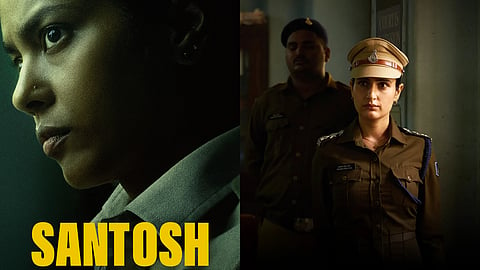
The marital home also remains a site of gendered violence, legally enabled by the patriarchal state. The Bengali series Sampurna (2022) and its Hindi remake Chiraiya (2026) both address violence and sexual abuse within the institution of marriage, challenging the conservative notion that marriage grants a man permanent access to his wife’s body. Both series interrogate the patriarchal order in which women’s consent is routinely subordinated to the demands of family, religion and the sanctity of marriage. Sandhya Suri’s Santosh (2024) examines the intersection of caste violence, misogyny, and state apathy in the investigation into the rape and murder of a Dalit girl.
These works point to a shift in the way Indian on-screen narratives of gender-based violence are being told, recognising that India’s rape culture problem is not only a result of gender-based violence committed by perpetrators. It is also perpetuated by the moral policing of women, respectability politics, the hierarchies of power that protect men, and the social pressure to keep the family’s uncomfortable truths hidden within the household. In a society where a woman’s ‘dignity’ is still so closely equated with her sexual propriety, speaking out itself is seen as an act of transgression more dangerous than acts of sexual violence.
It is important that filmmakers and show-runners are finally confronting this in their work. But representation alone must not be mistaken for progress. The true measure of change is whether audiences are willing to question the social conventions these stories expose. Otherwise, a culture that insists on women to protect their and their families’ reputations before demanding accountability from their abusers will continue to make silence a condition of survival.
If you enjoyed reading this, here’s more from Homegrown:
‘Women Walk At Midnight’ Confronts The Gendered Violence Prevalent In Indian Cities
What A 19th-Century Colonial Calcutta Murder Tells Us About Intimate Partner Violence
Oscar-Nominated ‘To Kill A Tiger’ Holds Up A Societal Mirror To Gender-Based Violence