
- HOMEGROWN WORLD
- HGCREATORS
- HGEXPLORE
- HGVOICES
- HGSHOP
- CAREERS
- ABOUT US
- CONTACT US
In the first chapter of a three-part photographic series, Pranoy Sarkar explores Shantipur, West Bengal’s historic weaving town, through the lens of community and place. Moving beyond the loom, the series captures the homes, streets and everyday lives that sustain the region’s centuries-old textile tradition, highlighting the artisans, families and networks of labour that make weaving possible.
Pranoy Sarkar’s latest photographic series begins with a simple observation, that the story of weaving does not begin at the loom. For many of us, the story of a handwoven textile begins when we touch the finished fabric. But behind every thread lies a much larger ecosystem of people, places and histories that make its creation possible.
In the first chapter of this three-part body of work, Sarkar turns his attention to Shantipur, the historic weaving town in West Bengal, exploring the intricate relationship between landscape and craft that has long informed women's apparel brand Anavila’s language of making.
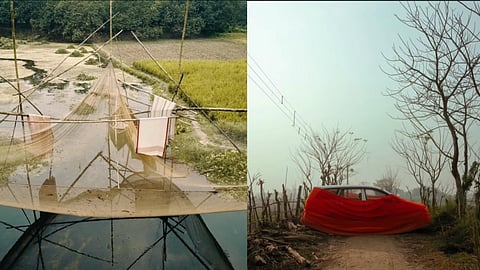
Rather than documenting the mechanics of weaving itself, the series looks beyond the loom. Through quiet observations of homes, streets, courtyards and everyday routines, it traces the environment that sustains one of India’s most enduring textile traditions. The photographs reveal a place where weaving is woven into the rhythms of the town and the identities of its people.
For Sarkar, understanding weaving meant understanding the people who make it possible. In Shantipur, weaving extends beyond the artisans and is supported by an entire ecosystem of collective labour that has sustained a centuries-old tradition. Through his lens, the landscapes inhabited by these often-overlooked contributors become central figures in the narrative, highlighting the interconnected nature of craft and community.
The photographs are more interested in the atmosphere and everyday scenes become markers of a living heritage, capturing how weaving exists as a way of life embedded within the social and economic fabric of the town. A car wrapped up in bright red fabric, a domestic space or bags of fabric on boats, that continue to shape the world of Shantipur.
As the opening chapter of a series that explores places significant to Anavila’s creative journey, the work establishes a broader conversation about how landscapes influence the crafts that emerge from them. By documenting Shantipur through its people and surroundings, Sarkar offers a nuanced perspective on craft heritage. His photographs remind us that every handwoven textile is the product of an entire community, and the collective spirit of a place and the generations who have dedicated themselves to keeping its traditions alive.
