
- HOMEGROWN WORLD
- HGCREATORS
- HGEXPLORE
- HGVOICES
- HGSHOP
- CAREERS
- ABOUT US
- CONTACT US
The first thing my mother gifted me when I moved away from home and had a kitchen to myself was a spice box. You know the kind, it's circular, and has a small circular container with a tiny spoon the size of your pinky finger. Turmeric, red chilli powder, garam masala, cumin seeds, mustard seeds, asafoetida (hing). All come together like the steering wheel of a household, driving the kitchen, making sure that every meal is delicious and hearty. It is a symbol of desi-hood, and owning your own ‘dabba’ was a sign of adulthood.
Spices and India go way back. Starting from the Ayurvedic texts which were written in 600 BC to the Indus Valley civilization, spices were used for both culinary and medicinal purposes. Historically, Indian spices were exported to Greece, Rome, Mesopotamia, Arabia, and Egypt. Now, India accounts for more than 40% of the spice trade being an integral part of our country’s economy.
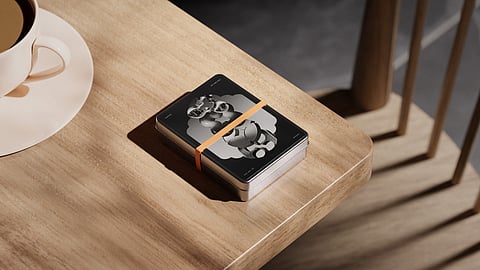
In honour of India’s rich spice history and the global power India once held in the spice trade, Tejas Nishad and Sushant Vohra, through Young Designers India created ‘Pehchaan’. A deck of playable cards, based on India's spices and where they came from. The cards are meant to not just be something to play or use but a ‘cultural object’.

"The brief was to design a deck that represents modern India. There are some things the world perceives as stereotypically "Indian" - truck art, spices, tech support, Bollywood. Of these I felt that spice is the only thing that well represents modern India, while staying rooted in our ancient culture and traditions (without being cliche)", explains Tejas Nishad as he explains the choice of picking spices as the theme.
The cards are packaged in a box that is based on the masala ‘dabba’ we see in our houses made by sustainable materials, the box is meant to be functional and live beyond the cards themselves. The very heat of the kitchen, an essential accessed daily. The box is not designed to be discarded once the “real” product is revealed. Instead, it becomes part of the experience, ensuring that it continues to live on.
The cards themselves are based on the spices, the four usual suits are swapped out for chilli, turmeric, clove and cardamom. The spices are transformed into stylised icons to ensure that the deck looks balanced altogether. Each suit is based on the colours of the spices themselves, a deep red for chilli, a warm yellow for turmeric, a minty green for cardamom, and a vibrant purple for clove. The face cards also transform to fit into the theme of the deck, like the Queen sporting the source of the spice: the seed and the flower and the Jack the mortar and the pestle indicating the labour that goes into producing these spices.
Sponsored by Figma and Teague, the deck aims to be a souvenir of the past that has shaped this country’s kitchens and taste buds, almost like a piece of inheritance. By turning mundane ingredients that we see and use in our kitchens everyday into the tokens of currency that they were, and still are to a certain extent, Pehnchaan leans in to give us a history lesson in how India became the ‘The Land of Spices’.
Learn more about Pehchaan here, and follow the creators Tejas Nishad and Sushant Vohra on Instagram.
If you enjoyed reading this, here's more from Homegrown:
'The Theory of Spice': A Short Film Series Celebrating Spices and Their Communities
Meet The Homegrown Creator Who's Turning Bengaluru's Charms & Quirks Into A Card Game
Experience A Royal Flush Of Culture With Four Unique Homegrown Playing Card Decks
