
- HOMEGROWN WORLD
- HGCREATORS
- HGEXPLORE
- HGVOICES
- HGSHOP
- CAREERS
- ABOUT US
- CONTACT US
Mumbai, from a distance, looks like the home of glitz and glamour in India, imagined in flashes: red carpets and film premieres, paparazzi-lined streets, sea-facing penthouses, and billboards towering over traffic-clogged roads. The city cradles the mythology of dreams.
But if you look closer, at the very skeleton of the city, you see that it was built for resistance and reform. It has long been called a city of paradoxes — a stark display of the jarring caste and class disparities that shape our urban landscapes. Yet Mumbai was also the epicentre of feminist and anti-caste movements that emerged in the 19th century. From the Dalit Panther movement of the 1970s to fostering writers like Urmila Pawar, who brought conversations about caste from the margins to the centre, the city’s history has always extended far beyond the gloss and sheen of the screen.
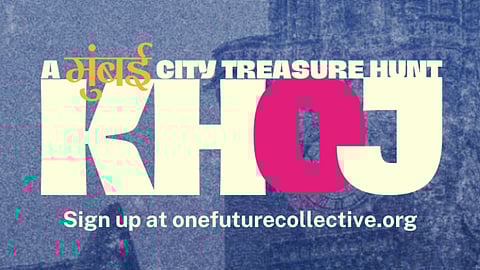
Set against this Mumbai, the resistant Mumbai, the non-complacent Mumbai, One Future Collective, a feminist social purpose organisation based in the city, is organising Khoj, a city-wide treasure hunt across Colaba and Bandra on 28th of February.
One Future Collective is a feminist social justice organisation based in India that works to build a world rooted in safety and belonging for all by strengthening community-led leadership and transforming institutions toward equity.
The team-based hunt, with groups of two-four players, is designed for the participants to discover parts of Mumbai that were shaped by the stories of civil disobedience, labour strikes, anti-caste assertion, feminist organising, and grassroots reform — piecing together clues that demand both curiosity and collaboration.
Multiple teams will be recognised for their performance, with cash prizes ranging from ₹10,000 to ₹20,000, adding a competitive spark to the day’s explorations. The journey culminates in a closing afterparty at antiSOCIAL, Lower Parel, with a guaranteed evening of music, food and poetry.
What makes the initiative distinctive is its pedagogy. By blending play with public history, it opens up conversations around caste, gender, labour, migration, language, and access to urban space in ways that feel immediate rather than abstract. Developed in collaboration with historians, artists, and grassroots organisations, the project foregrounds voices and narratives that get pushed to the edges of societal memory. One Future Collective’s Khoj, reframes Mumbai as a living archive of dissent, dialogue, and collective courage.
If you enjoyed reading this, here's more from Homegrown:
Here's Where You Can Watch Flamingos In Mumbai In 2026
Inside BARE: A Mumbai Cocktail Bar That Doubles As An Art Gallery
Walk Through Mumbai's Heritage Locales Through The Words Of Its Legendary Poets
