
- HOMEGROWN WORLD
- HGCREATORS
- HGEXPLORE
- HGVOICES
- HGSHOP
- CAREERS
- ABOUT US
- CONTACT US
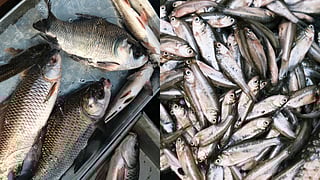

In Bengal, fish markets are not only places of trade — they are theatres of life. From the frenzied auctions of the Howrah Wholesale Market at the break of dawn to the tightly-knit neighbourhood “bajars” in North and South Kolkata, these markets encode how the city eats, negotiates, and understands the seasonality of live catch. Yet, as grocery apps and doorstep deliveries replace daily market runs, this tactile relationship with food is fading.
In Bengal, we have this phrase, ‘Maachh-er Bajar’, which refers to both literal fish markets and hypothetical chaotic places. I have always found this to be a bit of a misnomer, though; after all, fish markets are where Bengalis feel the most alive! Kolkata has many legendary fish markets, like the Maniktala fish market, Gariahat market, Ashu Babur Bajar, and the Howrah wholesale market. We also have neighbourhood markets across the city and its suburbs.
Fish is brought to these markets from fisheries and seaports by boat, train, and truck. If you visit the Howrah wholesale market early in the morning, you’ll see workers unloading all kinds of fish, which are then auctioned off and taken to the local markets. Or if you go on an early morning drive to the outskirts of the city, you’ll see peculiar trucks along the road, always driving towards the city. I say ‘peculiar’ because you’ll know them when you see them. They’ll have large containers on their beds, with men standing inside and making waves by moving their feet to keep the fish alive.
In cities and towns across Bengal, fish is sourced from local markets. Historically, this would be the job of a man — often a male servant in Bonedi Bari, or wealthy households. With time, it became a chore for the men of the family, who would visit the neighbourhood market as part of their morning routine and buy fish from the local fish sellers. It has now become an inseparable part of Bengali life. Men take pride in their ability to spot and buy the freshest and largest fish, and of course, in their ability to bargain and get the best price from the fish seller. Now, women do it too.
As consumer habits evolve and most shopping shifts online, this part of our culture is gradually fading away. What risks disappearing with it is not only a more mindful way of buying food but also a way of knowing it intimately — through touch, smell, negotiation, and the slow education of the senses that only repeated visits to a market can offer. These markets teach us to eat with the seasons, to recognise the signs of rivers, ponds, and tidepools, and to understand abundance and scarcity as shared, ecological facts rather than algorithmic prices on a screen. Amidst the everyday theatre of familiar vendors, glinting scales, crushed ice, salt, and damp parcels, an older way of engaging with food persists — one rooted in immediacy, interdependence, and limits.
To lose this would mean severing ourselves not only from a social ritual but also from a more sustainable, seasonal, and local way of living with what the land, water, and seasons choose to provide us, and when and how they decide to do so. In the spirit of returning to and rediscovering these local markets, here are five fish markets across Kolkata that are worlds unto their own:
The Gariahat Market is the cultural heartbeat of South Kolkata. Gariahat is akin to an institution for the quintessential South Kolkatan. While the area is famous for its textile and saree shops, the wet market inside is a bustling labyrinth of fresh produce. It is renowned for its premium quality fish, particularly during the Hilsa (Ilish) season, where you will find some of the best — albeit most expensive — catch in the city. The market is organised but crowded, frequented by discerning buyers who are known to engage in spirited bargaining with vendors they have known for decades.
A heritage site with a historic legacy — easily recognisable by its iconic clock tower — the Maniktala market is one of the most famous heritage markets in North Kolkata. It is celebrated for its sheer variety, offering everything from common freshwater carp (Rohu, Katla) to more specific local delicacies like Koi and Magur. The market has a reputation for freshness, with stock often arriving directly from nearby districts early in the morning. It serves as a daily ritual for the residents of North Kolkata, embodying the traditional “bazaar” atmosphere that has existed for over a century.
Location: North Kolkata (Maniktala Crossing)
A vital, no-nonsense neighbourhood lifeline located in North Kolkata, Ashu Babur Bajar is a daily market for the residents of Paik Para and the surrounding areas. Unlike the sprawling expanse of New Market or the tourist footfall of Gariahat, this is a tightly knit community market. It is particularly known for its “fresh catch” early in the morning and offers excellent value for money. The fishmongers here cater specifically to the daily cooking needs of local households, stocking high-demand staples like small prawns (Chingri) and daily curry fish like Parshe and Pabda.
Location: North Kolkata (Paik Para)
A colonial relic of Old Calcutta, known for exotic and premium cuts, the New Market Fish & Meat Market is part of the historic Sir Stuart Hogg Market. Housed within the Victorian Gothic red-brick complex, the wet market here is the go-to destination for “English” cuts of meat and premium seafood. It is famous for stocking large Bhetki (Barramundi) essential for Fish Fry, as well as export-quality prawns and crabs. It is also one of the few places in the city with a dedicated cold storage facility for exotic meats (such as pork sausages and bacon), serving a diverse clientele, including the city’s old Anglo-Indian community and top restaurateurs.
An industrial-scale sensory overload, the Howrah Wholesale Market is not for the faint-hearted. It is one of the largest wholesale fish markets in all of Asia. Activity here begins long before sunrise (often around 3:00 a.m.) as trains and trucks from Andhra Pradesh, Odisha, and rural Bengal unload tons of fish. It serves as the central hub for Kolkata’s fish supply — most local fishmongers in the city buy their stock here. The volume is staggering, and the energy is frantic, with auctioneers shouting prices for massive lots of fish that are then distributed across the region.
Location: Howrah (Near Howrah Railway Station)
If you enjoyed reading this, here’s more from Homegrown:
The Politics Of Pungent Food: Bengal's Love-Hate Relationship With Shutki Maachh
Pallavi Chattoraj Illustrates Discrimination Through The Allegory Of A Fish Market
