
- HOMEGROWN WORLD
- HGCREATORS
- HGEXPLORE
- HGVOICES
- HGSHOP
- CAREERS
- ABOUT US
- CONTACT US

Nothing comes from nothing. We cannot exist in emptiness. After three consecutive months of work trips that took me from one end of the country to the other — Nagaland in the east and Goa in the west — I am finally back home in my apartment. After months of renovation to make this place habitable, I moved here last December and have been slowly filling the space with my growing collection of photobooks, artists’ monographs, sculptures, sketches, prints, and photographs I’ve acquired over the years. I like to look at these objects, touch them, interact with them, and draw inspiration from them. Like Henri Matisse wrote about his personal collection of objects and artworks in 1951: “The object is an actor. A good actor can have a part in ten different plays; an object can play a role in ten different pictures.”
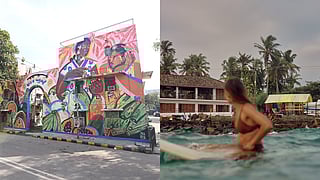
If objects are actors, then cities are stages, and culture is the unstoppable force that keeps them in perpetual motion. The walls of Lodhi Colony, repainted yet again this February, build on histories of previous editions as well as the layered history of the city it inhabits. Sriram Emani’s speculative short film resurrects a colonial legend to confront its afterlives in contemporary labour politics and the myth of the ‘model minority’. A living room in Bengaluru becomes a baithak; a 400-year-old warehouse in Kochi turns into a chef’s table; a fort in Amritsar fills with sacred music; and a boutique hotel on Sri Lanka’s southern coast embodies the best the island has to offer. Nothing comes from nothing. Each mural, film, raga, meal, and journey gathers meaning from what came before it. This week’s culture bulletin traces these histories and inheritances — the objects, stories, and spaces that continue to shape us, even and especially when we think we have returned home. Here’s what we have for you this week:
From 1st to 28th February, Lodhi Art District transforms into a rotating gallery of live art and murals for the tenth edition of the Lodhi Art Festival. Lodhi Colony, built in the 1940s as one of the last housing estates developed by the British, will be reimagined as a vibrant hub for art, live music, workshops, and community-led experiences. Curated by the St+Art India Foundation and sponsored by Asian Paints, the festival brings together over 50 artists from across the world, turning everyday walls into living canvases. Avani writes about the Lodhi Art District here.
A disturbing legend from the British colonial era, variously linked to the colonies in India or Africa, describes British officers playing badminton or golf in the tropical heat, only to be swarmed by insects. To distract the pests, they allegedly smeared an indentured servant with jam, making him a human fly-trap nearby while the game went on. Often, the boy’s only pay was the jam to take home.
Debut filmmaker Sriram Emani takes that brutal imagery of a power dynamic rooted in colonial exploitation and dehumanization, and pushes it into a dystopian near future in his short film ‘Jam Boy’, which premieres in competition at the DC Independent Film Festival on February 15, 2026. Disha writes about the film here.
Ayat is a Bengaluru-based collective that brings classical music concerts into living rooms. By creating a shared space for patrons and artists who keep the traditions of Indian classical music alive, Ayat is actively reviving the spirit of the baithak, rooted in closeness and attentiveness, Avani writes here.
‘Tideline’ is an eight-course dining experience set inside a 400-year-old warehouse in Kochi. Curated by From Khojj, a collective that creates space for artists to express and understand themselves, with food as the primary medium, Tideline extends Kochi’s cultural conversation in a deeply sensory way. Speaking about how Tideline emerged, From Khojj founder Armaan Essa said, “Tideline came up with the question I had in my mind, which is how do I see Kochi and how has my perspective changed throughout my time in Kochi.” Avani writes about Tideline here.
A marriage of Scandinavian clarity and Japanese calm, UNU is a boutique hotel in Sri Lanka’s Ahangama Bay, made for mindful travelers and surfers, as well as anyone who appreciates fine cuisine, inspired cocktails, and the breathtaking beauty of sunsets over the Indian Ocean. UNU is for people who want to immerse themselves in Ahangama’s way of life — to experience its warmth and natural wonders — while still enjoying the small pleasures of thoughtful food, well-made cocktails, the feel of sea salt on sun-warmed skin, and the sound of the ocean after dark. Learn more about UNU here.
From February 20–22, 2026, the Sacred Amritsar festival returns to Qila Gobindgarh for three days of music, poetry, and devotional reflection. This year, the festival brings together mystic traditions and contemporary expression in one of Punjab’s most historically resonant cities. The lineup includes Usha Uthup, Kailash Kher, Kutle Khan, and the Anirudh Varma Collective, along with morning recitals and Gurbani sessions. Conceived as a space for pause and introspection, the festival foregrounds music as a shared, sacred act. Tickets (₹499–899) are live on BookMyShow.
