
- HOMEGROWN WORLD
- HGCREATORS
- HGEXPLORE
- HGVOICES
- HGSHOP
- CAREERS
- ABOUT US
- CONTACT US
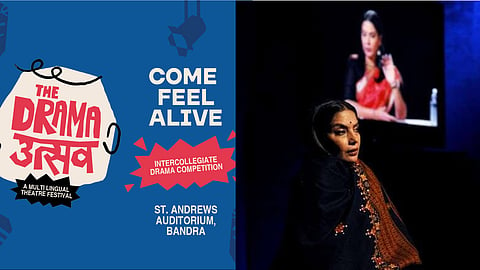
Drama Utsav Mumbai 2026 celebrates Indian theatre with 22 plays in multiple languages, featuring stalwarts like Shabana Azmi and Anupam Kher. The festival includes masterclasses, inter-collegiate performances, and inclusive shows. The festival has its sights set on becoming an annual cultural institution for the city.
Theatre is a transformational place. For many, it’s a place of worship, sacred to the birth of how we know and perceive media today. While we spend hours on our couches, scrolling endlessly and forgetting the last reel we saw, theatre and the dramatic arts force you to pay attention and surrender yourself to the environment. For those couple of hours, the actors hold you in a trance, in a suspension of time. As our brains decompose under the information and content overload we consume every day, it is important to support these art forms.
The Drama Utsav Mumbai 2026 is a 17-day festival from November 13 to 29 at St. Andrew’s Auditorium, Mumbai, celebrating the joy and talent of theatre. Bringing together plays in different languages, from Bengali and Gujarati to Hindi and English, the festival aims to show Indian audiences the range and calibre of the country’s theatre ecosystem. Across the festival, 22 plays will feature stalwarts of Indian theatre such as Shabana Azmi, Anupam Kher, Swapnil Joshi and Amol Palekar, while also giving audiences a taste of some of the biggest Indian commercial plays.
The Drama Utsav Mumbai 2026 is shaping up to be more than a showcase of plays. Alongside its main theatre programme, the festival opens a window into the people and ideas behind Indian theatre, with masterclasses led by Bharat Dabholkar, Ananth Mahadevan, Rakesh Bedi, Tanaz Irani and Raell Padamsee. For aspiring performers and seasoned theatre-goers alike, it’s a chance to learn directly from those who have shaped the craft.
The festival also makes room for what comes next. An inter-collegiate theatre platform puts young talent on stage, while a special inclusive performance featuring specially-abled children widens who gets to tell stories and who gets to take part in them.
With multilingual programming spanning generations and traditions, the organisers hope to turn the festival into an Annual Cultural Institution for the city, a yearly moment when Mumbai gathers under one roof for the magic of live performance.
Get your tickets for the event here.
If you enjoyed reading this, here's more from Homegrown:
Fever Dream Holds A Mirror To Climate Denial & Shakes Us Out Of Our Apathy
Keelaka Combines Dance, Theatre, & Tamil Jazz Into A Feminist Reclamation Of Mythology
