
- HOMEGROWN WORLD
- HGCREATORS
- HGEXPLORE
- HGVOICES
- HGSHOP
- CAREERS
- ABOUT US
- CONTACT US
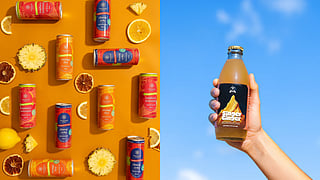

This article explores India’s long relationship with fermented beverages tracing how fermentation has always been embedded in everyday diets, climate intelligence, and digestive health. It situates today’s probiotic conversation within this older food culture and looks at how a new wave of homegrown brands is translating that knowledge into modern formats, including Sbooch, Atmosphere Kombucha, Mountain Bee Kombucha, Bombucha, Borecha, and Toyo Kombucha.
We often find ourselves saying that Indian cuisine is not for the weak. That it’s heavy with spice, layered with condiments, unapologetic about heat, oil, sourness, and salt. But this idea of decadence usually comes from looking at Indian cuisine through a narrow lens. Beyond the butter-laden gravies and fried snacks sits a much wider food culture built on pickling, sun-drying, smoking, preserving and fermenting — techniques that have shaped everyday eating across regions and seasonal intelligence. India's fermented beverages exist within this balance, shaped by climate, habit, and taste as a probiotic elixir.
Kanji, made with mustard seeds, red carrots and black salt, is lactic-fermented and enjoyed in winter both for its spicy tang and its digestive benefits. Toddy — a naturally fermented palm sap, carries regional significance in coastal communities, valued for its social as well as nutritional role. Pakhala water of Odisha and Bengal, fermented rice water served with seasonal greens and chillies, is a summer staple that cools the body while introducing beneficial microbes. Across regions, these drinks are part of ritual, festival, seasonal cycles and everyday life, illustrating how fermentation was woven into the cultural fabric long before modern probiotic science explained why these live cultures can soothe the gut, enhance nutrient absorption and support microbial diversity.
Today, knowledge finds new expression in India’s burgeoning kombucha scene. Kombucha, a fermented tea with roots traced back to ancient China and brought into global health consciousness for its probiotic potential, is the poster child of modern fermented drinks. Made by fermenting sweetened tea with a SCOBY (symbiotic culture of bacteria and yeast), it yields a fizzy, tangy brew packed with probiotics and organic acids linked to gut health and detoxification. As contemporary consumers seek alternatives to high-sugar sodas and artificial refreshers, a wave of homegrown brands is reimagining soda with fermented, functional drinks with what we already know as a culture. Here are some of them:
Sbooch is one of the brands that understands Indian palates better than most. Instead of sticking to predictable citrus or berry flavours, it leans into regional references like Gor Keri — a Gujarati sweet-sour raw mango flavour that feels familiar without being gimmicky. The brews are low on sugar, naturally carbonated, and positioned clearly as soda replacements rather than niche health drinks. Sbooch’s strength lies in making kombucha feel less foreign and more like something that could sit comfortably next to nimbu soda at a roadside stall.
Follow them here.
Atmosphere Kombucha comes from a wellness-first place, but without the preachy tone. Founded by sisters with backgrounds in nutrition and food, the brand treats fermentation as part of a larger ecosystem that includes kefir and other probiotic foods. Their kombuchas use fresh fruits, herbs, and clean formulations, and the brand puts real effort into educating consumers without dumbing things down. It’s less about chasing trends and more about building everyday habits around fermented foods.
Follow them here.
Mountain Bee has a strong craft identity. Brewed in small batches in Bengaluru, the brand plays confidently with flavour — think Bangalore Blue grape, pineapple chilli, or raspberry-forward blends that don’t taste overly “healthy.” The base teas are carefully sourced, the fermentation is tightly controlled, and the results feel closer to craft beverages than wellness drinks. Mountain Bee also pushes sustainability through bottle returns, keeping the operation grounded in real-world responsibility rather than marketing slogans.
Follow them here.
Bombucha takes a broader fermentation-first approach. Kombucha is just one part of its offering, alongside fermented foods like kimchi, which gives the brand a more holistic identity. The focus here is on flavour that comes from real ingredients—actual fruit, herbs, and proper brewing time—rather than shortcuts. Bombucha’s appeal lies in how comfortably it fits into everyday consumption, without asking consumers to radically change how or why they drink something fizzy.
Follow them here.
Borecha has been around long enough to move beyond just kombucha. Starting with fermented teas made using Indian tea varieties like Assam and Darjeeling, the brand now includes zero-sugar seltzers and sparkling iced teas. The throughline is still the same: lower sugar, better ingredients, and drinks that don’t feel like compromises. Borecha is less about evangelising fermentation and more about offering realistic alternatives to mass-market sodas.
Follow them here
Toyo Kombucha was built with accessibility in mind. Founded by college friends who discovered kombucha abroad, the brand focuses on affordability and straightforward flavours that ease first-time drinkers in. With low- and zero-sugar options, Toyo frames kombucha as a daily drink rather than a specialist product. Its role in the market is simple but important: normalising fermented beverages as part of routine consumption, not a once-in-a-while health experiment
Follow them here.
