
- HOMEGROWN WORLD
- HGCREATORS
- HGEXPLORE
- HGVOICES
- HGSHOP
- CAREERS
- ABOUT US
- CONTACT US
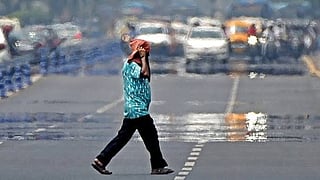
India’s current heatwave, marked by unprecedented and early-rising temperatures, is the result of intersecting factors like climate change, El Niño, and rapid urbanisation. However, its impact is far from equal — while some manage the heat with resources and comfort, vulnerable communities face serious health risks, income loss, and unsafe living conditions. The crisis exposes deep class divides, turning a shared climate event into vastly different lived experiences. In response, individual responsibility and collective empathy become crucial, alongside supporting organisations like Mahila Housing Trust, SRM Foundation, SEEDS, and WHO-led Heat Action Plans that are actively working to make extreme heat more survivable.
In the last couple of months, India has experienced a heatwave marked by unprecedented temperatures. With scorching conditions arriving noticeably early across the country, the India Meteorological Department has issued heatwave alerts for multiple regions, including central and southern parts of the country.
India’s unusually intense summer this year isn’t down to a single factor, it’s the result of several overlapping climate shifts amplifying each other. At the broadest level, rising global temperatures have made heatwaves more frequent and severe, with studies showing their intensity and spread have steadily increased across the country over the past few decades. At the same time, the El Niño effect, linked to warmer ocean temperatures, can weaken monsoons and push temperatures higher, setting the stage for harsher pre-monsoon heat.
Taken together, this summer feels harsher because it is: a convergence of climate change, shifting weather systems, and rapidly changing urban landscapes, all compressing into a season that arrives earlier, lasts longer, and hits harder.
Heatwaves in India don’t land evenly, they follow the fault lines of class. I have spent the majority of the last couple of months complaining about how hot it has been but the reality is that for some, the season is an inconvenience managed with air-conditioners, flexible work hours, and the ability to stay indoors. For others, especially daily-wage workers, street vendors, construction labourers, our quick commerce delivery executives, and those living in tin-roofed or densely packed housing, the heat is inescapable and dangerous. In cities, the urban heat island effect makes informal settlements significantly hotter than greener, better-planned neighbourhoods, while access to reliable electricity and water becomes a daily uncertainty. The difference is in the risk. Heatstroke, dehydration, lost income, and long-term health impacts are far more likely for those without the resources to shield themselves. In a country where class divides are already stark, climate events and other crises like the recent LPG gas crisis, expose and intensify the inequality, turning the same summer into entirely different realities depending on where, and how, you live.

It is vital that we try to do our best to ensure that everybody gets through this summer without unnecessary harm. In moments like these, individual responsibility becomes quietly essential, not as a replacement for systemic action, but as an immediate, human response to shared conditions. It can be as simple as keeping extra water accessible to delivery workers, checking in on elderly neighbours, offering shaded spaces to those who need a brief respite, or even just being mindful of how we use resources like electricity and water. Small acts of consideration begin to add up. When a crisis is experienced so unevenly, empathy has to be practiced deliberately. Because while we may not all feel the heat in the same way, we can still choose to lessen its impact for someone else.
It also becomes equally crucial to support and amplify organisations working on the ground to make extreme weather more survivable. These initiatives bridge the gap between policy and lived reality, offering practical, community-driven solutions that directly protect the most vulnerable. Here are some of the NGOs that are working towards an equitable summer:
Mahila Housing Trust works closely with low-income women to build climate resilience in cities, introducing solutions like cool roofs that can reduce indoor temperatures by up to 6°C. Their heat action plans, insurance models, and cooling interventions prioritise those most at risk during extreme summers. Follow them on Instagram here and check their website to contribute.
SEEDS India works at the intersection of disaster resilience and climate adaptation, designing heat-resilient housing and urban solutions. Their initiatives include passive cooling techniques, community preparedness programs, and infrastructure planning that helps to reduce long-term vulnerability to extreme heat. Learn more about them here.
WHO Foundation highlights how India’s Heat Action Plans, first implemented in Ahmedabad, combine early warnings, public awareness, and cooling strategies to save lives. These coordinated efforts have reduced heat-related deaths significantly, showing how proactive planning can turn climate response into tangible public health protection. Learn more about their work here.
If this summer has made anything clear, it’s that heat is a defining condition of how we will live going forward. We can treat it as an individual inconvenience, or recognise it as a collective crisis that demands shared responsibility and sustained action. Supporting organisations that are already doing the work and advocating for better urban planning and policy, and practicing everyday empathy are all part of how we respond. While we may not be able to control the rising temperatures, we can influence how they are experienced. And in a country as unequal as ours, the shape of our collective future rests on whether we choose to look beyond ourselves.
