
- HOMEGROWN WORLD
- HGCREATORS
- HGEXPLORE
- HGVOICES
- HGSHOP
- CAREERS
- ABOUT US
- CONTACT US
The Indian nightie is one of the country's most recognisable yet underappreciated garments. Originally derived from European nightgowns introduced during the colonial era, it became widely popular during India's textile and ready-made garment boom in the 1970s and 1980s. Comfortable, affordable, and practical, the nightie gradually moved beyond the bedroom to become an everyday staple in homes across the country.
There are certain items of clothing that remain canonised as timeless—not because they were created by a luxury designer or worn by particularly influential people, but because of the impact they have on ordinary people, especially women.
For as long as I can remember, my grandmother has worn nighties, or nightgowns. Made from soft, breathable cotton and available in every colour and pattern imaginable, complete with their signature lace-trimmed necklines, nighties have become the garment of choice for countless grandmothers and women across the country.
So how did this simple garment become one of the most enduring pieces of clothing in Indian homes?
The nightie can trace its lineage back to the European nightgown, a loose garment worn for sleeping that gained popularity among British women during the eighteenth and nineteenth centuries. During the colonial period, British women living in India adopted lightweight cotton nightgowns made from Indian textiles to cope with the heat. Over time, the garment became familiar within colonial households and gradually entered Indian wardrobes as an item associated with leisure and comfort rather than formal dress.

For much of the early twentieth century, however, nightgowns remained largely confined to elite homes. Even in films from the 1940s and 1950s, the nightgown often modernity.
By the 1970s and 1980s, India's rapidly expanding textile and garment industries had begun producing inexpensive ready-made clothing at an unprecedented scale. Cotton mills and local tailoring made garments cheaper and more accessible than ever before. The nightie was perfectly positioned to benefit from this boom. It was easy to stitch, required minimal sizing, accommodated a range of body types, and was perfect for India's hot and humid climate. Textile manufacturers began producing them in colourful floral prints and geometric patterns that were affordable enough for everyday use.
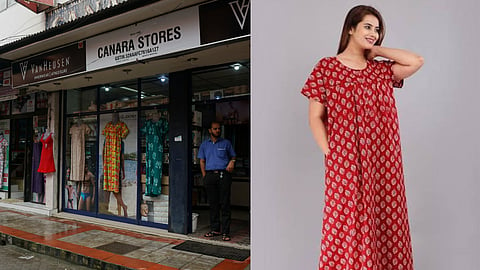
In states such as Kerala and Tamil Nadu, the garment became particularly popular, eventually moving beyond sleepwear altogether. Now, women wear nighties while cooking, cleaning, shopping for groceries, dropping children at school, and chatting with neighbours on the verandah. The garment's appeal is its comfort. Unlike a sari, it requires no draping and unlike salwar suits, it imposes no structure. It offers freedom of movement in a hot climate and fits seamlessly into the rhythms of domestic life.
Today, the Indian nightie occupies a curious cultural position. It is often mocked, rarely celebrated by high fashion, and yet remains one of the most successful garments ever adopted by Indian women. But even now, after all these years, nothing makes my grandmother beam quite like shopping for a new crop of nighties. The last time I visited her, I managed to snag one from her collection. It's electric blue with dull white detailing, and it absolutely drowns me.
But I can say one thing with utmost certainty: it is one of the most treasured and most worn items in my closet. Partly because it carries a piece of her with it, and partly because I now completely understand why generations of women have chosen it time and time again.
It's just too fucking comfortable.
